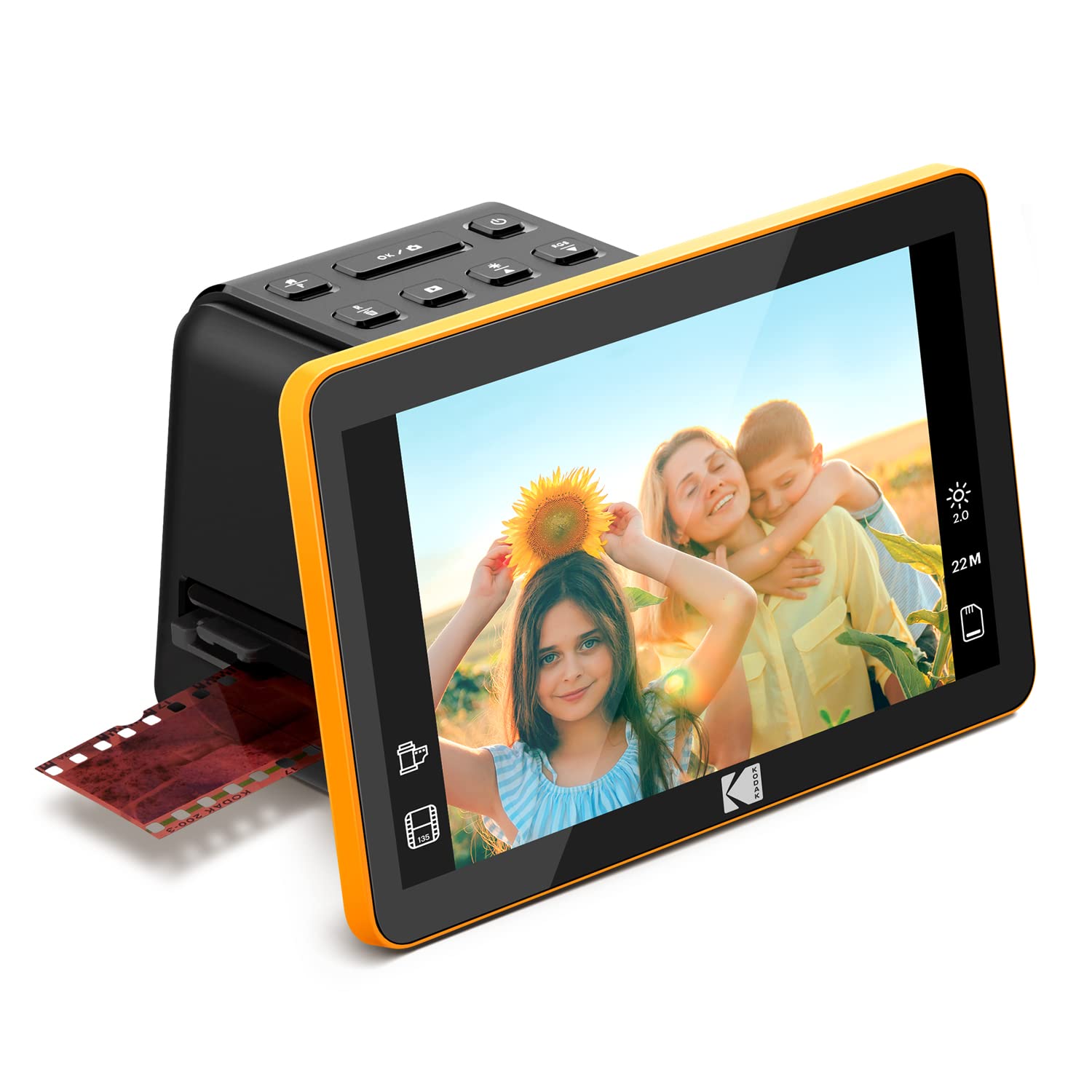
The KODAK Slide N Scan Max is a standalone film scanner for turning supported slides and negatives into digital files without making a computer part of every scan.
This kodak slide n scan max review looks at its format support, direct SD saving, and what its resolution figures mean for home archiving.
Slide N Scan Max Review Summary
The quick verdict
1,000+ ratings
Read Amazon ReviewsKODAK Slide N Scan Max
A practical fit for digitizing 35mm, 110, and 126 slides or negatives directly to an SD card, with simple on-device editing.
- Supports 135, 110, and 126 film formats, with slides and color or black-and-white negatives.
- A smooth-moving tray is designed to feed film with less repeated repositioning.
- Saves images directly to SD or SDHC cards with capacities up to 32GB.
- Uses a 13MP CMOS sensor and 22MP interpolation, with output up to 4208 × 3120 pixels.

Pros
- Scans several common consumer film formats, including both slides and negatives.
- Direct card saving supports a computer-free capture routine.
Consider before buying
- The 22MP figure includes interpolation; buyers prioritizing native sensor capture should weigh the 13MP sensor detail.
- The supported card capacity is limited to SD or SDHC cards up to 32GB, so frequent large batches may require card management.
Read the full review summary
The appeal is a straightforward workflow: a moving tray feeds film, the scanner handles 135, 110, and 126 formats, and images can be saved to an SD or SDHC card up to 32GB.
Simple one-touch editing and a compact footprint make it approachable for sorting a family collection without navigating complex menus.
Its stated output is up to 4208 × 3120 pixels, using a 13MP CMOS sensor with 22MP interpolation.
That gives buyers a useful high-resolution option for sharing and ordinary prints, while the interpolation figure should not be confused with a higher native sensor resolution.
It suits home users who value convenience across common film formats more than a specialist scanning setup.
The buying factors
Slide N Scan Max Scorecard
Editorial scores reflect listed features and buyer fit; they are not laboratory measurements or customer ratings.
Format flexibility
Supports 135, 110, and 126 film, including slides and color or black-and-white negatives.
Standalone workflow
Direct saving to SD or SDHC cards up to 32GB reduces the need to connect a computer during scanning.
Ease of operation
A smooth-moving tray and one-touch editing are designed to keep routine scanning simple.
Resolution options
Up to 4208 × 3120 output is a substantial stated maximum, though 22MP includes interpolation from a 13MP sensor.
Desk footprint
Its 6.69 × 5.35 × 4.45-inch dimensions make it relatively easy to place on a home work surface.
Computer compatibility clarity
The listed minimum system requirement is Windows 7; buyers planning a computer-based workflow should confirm current compatibility details.
Key Features and Specifications of Slide N Scan Max
- Supports 135, 110, and 126 film formats, with slides and color or black-and-white negatives.
- A smooth-moving tray is designed to feed film with less repeated repositioning.
- Saves images directly to SD or SDHC cards with capacities up to 32GB.
- Uses a 13MP CMOS sensor and 22MP interpolation, with output up to 4208 × 3120 pixels.
- One-touch capture software can resize, convert, and adjust images.
- Measures 6.69 × 5.35 × 4.45 inches and weighs 16 ounces.
Pros and Cons of Slide N Scan Max
Pros
- Scans several common consumer film formats, including both slides and negatives.
- Direct card saving supports a computer-free capture routine.
- Tray feeding and simple editing are suited to batch work and less technical users.
- Compact dimensions make it practical for a home desk or storage shelf.
Consider before buying
- The 22MP figure includes interpolation; buyers prioritizing native sensor capture should weigh the 13MP sensor detail.
- The supported card capacity is limited to SD or SDHC cards up to 32GB, so frequent large batches may require card management.
- The computer requirement lists Windows 7; confirm the intended computer workflow and operating system compatibility before purchase.
Who Should Buy Slide N Scan Max?
Good fit
Consider the Slide N Scan Max if your archive includes a mix of 135, 110, and 126 slides or negatives and you want to make digital copies without keeping a computer connected for capture.
Direct SD saving and a moving tray are especially useful when the goal is to work through a box of family film in manageable batches.
It also makes sense for a casual home workflow where simple resizing, conversion, and image adjustments are enough.
The compact body should be easy to keep near a sorting area, while the stated maximum output gives flexibility for sharing images or making ordinary prints.
Before buying, decide whether the 32GB card ceiling and interpolated resolution figure suit the size and intended use of your archive.
If your scanning depends on a computer, check compatibility for your operating system rather than relying only on the listed Windows 7 minimum.
Who should skip it
Look elsewhere if you need support for film formats beyond 135, 110, and 126, or if your workflow requires card capacities above 32GB.
This is a less compelling fit if you specifically need a native sensor resolution above 13MP or want a computer-connected workflow with clearly established compatibility for a newer operating system.
How the Slide N Scan Max Fits a Home Film Archive
Format coverage for mixed collections
Support for 135, 110, and 126 formats gives the scanner useful breadth for common family film collections.
It can work with slides as well as color and black-and-white negatives, so a buyer need not restrict the project to one of those image types.
Check the formats in your own boxes before choosing, since the stated support does not extend to every film type.
A workflow built around direct saving
Saving directly to an SD or SDHC card changes the task from a computer-led process to a scan-and-transfer routine. That can simplify setup for someone who wants to capture images first and organize them later.
The 32GB maximum is a practical boundary: estimate your batch size and be prepared to transfer or rotate cards during a larger archive project.
Understanding the resolution figures
The scanner combines a 13MP CMOS sensor with 22MP interpolation and lists output up to 4208 × 3120 pixels. Interpolation can increase the output dimensions, but it does not mean the sensor itself captures 22MP of native detail.
For preserving originals primarily for family viewing and everyday sharing, the listed output may be adequate; buyers with demanding enlargement plans should consider that distinction.
Simple operation and computer planning
The tray and one-touch editing focus on reducing routine handling and menu work. That design is well matched to a home user who values a direct process, though image sorting and final organization still take time.
The listed system requirement is Windows 7, so anyone who expects to rely on computer connection should verify that the scanner works with their particular setup.
Alternatives to Slide N Scan Max
Slide & Negative Scanners alternative
12,000+ ratings
Read Amazon ReviewsKODAK Slide N Scan Film & Slide Scanner
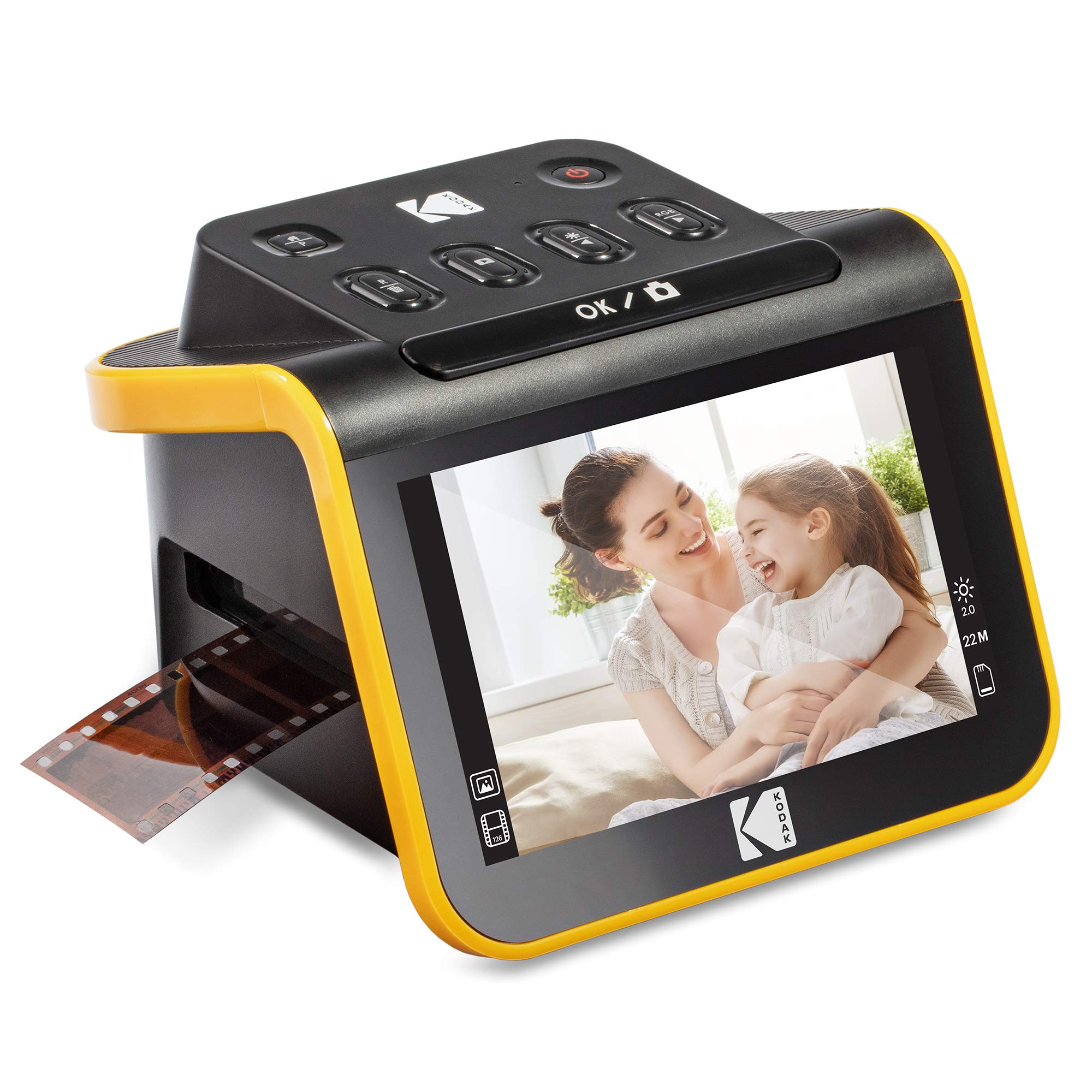
Choose the Max if its stated 13MP sensor and compact standalone workflow fit your needs. Consider this model if a built-in 5-inch viewing screen and the listed accessories are more useful for reviewing scans at the device.
- This KODAK model supports the same 135, 110, and 126 formats and includes a 5-inch LCD with gallery mode for previewing and editing.
- It also saves to SD or SDHC cards up to 32GB and includes a 50mm slide holder, film adapters, USB and HDMI cables, and a cleaning brush.
- The Slide N Scan Max supports 135, 110, and 126 formats, saves directly to SD or SDHC cards up to 32GB, and uses a 13MP sensor with 22MP interpolation.
Slide & Negative Scanners alternative
100+ ratings
Read Amazon ReviewsHP FilmScan 5
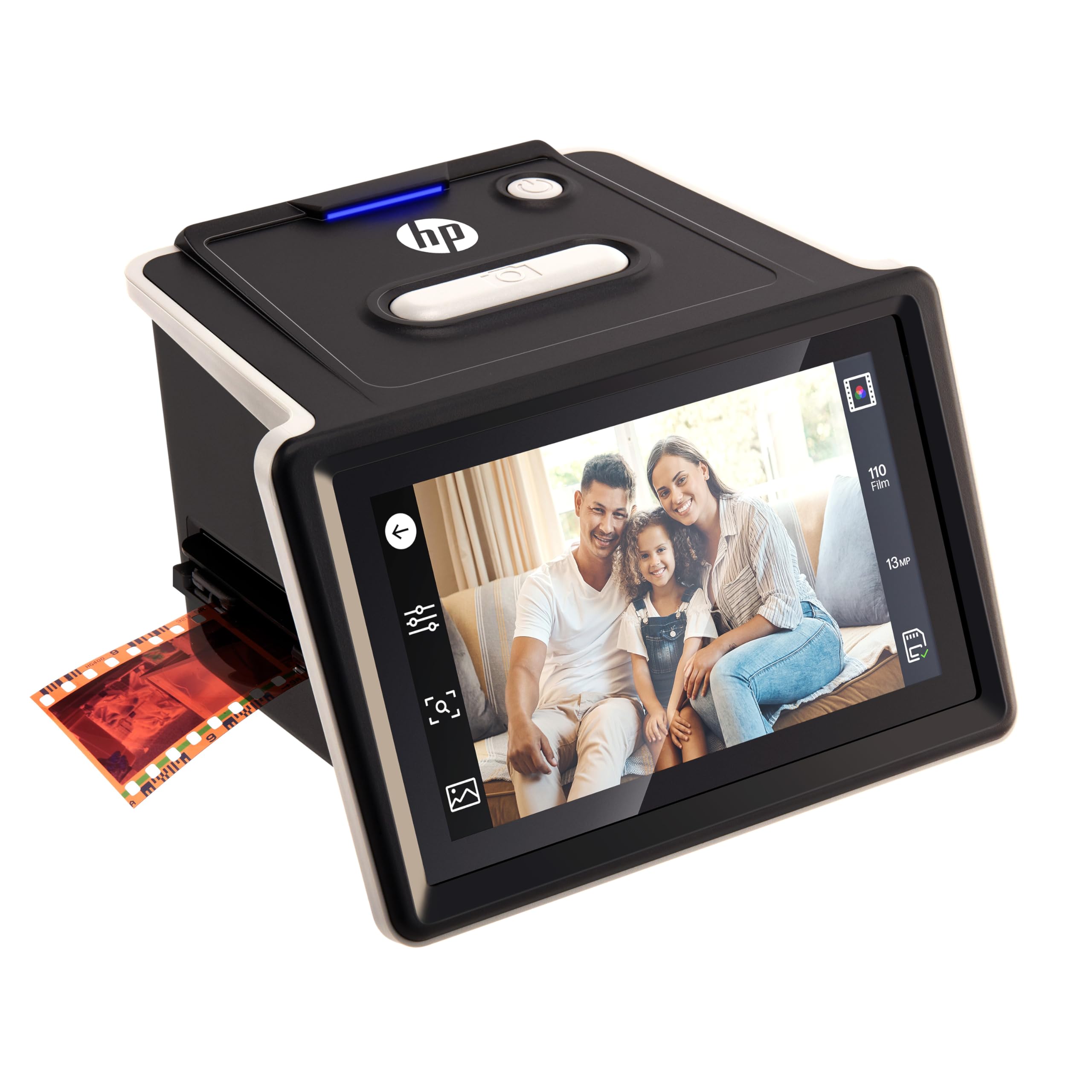
The HP is a useful comparison if you prefer touchscreen preview and editing or need the listed compatibility guidance for newer Windows and macOS systems.
The Max remains a fit for buyers drawn to its simple tray and direct SD or SDHC workflow.
- The HP FilmScan 5 has a 5-inch touchscreen, a 13MP CMOS sensor with 22MP interpolation, and support for the same 135, 110, and 126 formats.
- It saves to an SD card and lists Windows 10 or later and macOS 10.15 or later as minimum system requirements.
- The Slide N Scan Max supports 135, 110, and 126 formats, with direct SD card saving and a moving film tray.
Is Slide N Scan Max Worth It?
The KODAK Slide N Scan Max is worth considering for home users digitizing a mixed collection of 135, 110, and 126 slides or negatives.
Its moving tray, simple editing, compact size, and direct card saving support a convenient archive workflow.
Buy it if the supported formats and 32GB card limit match your project, and treat 22MP as an interpolated output figure rather than native sensor resolution.
If a built-in screen or clear newer-computer compatibility is central to your routine, compare the alternatives before deciding.
Your review at a glance
1,000+ ratings
Read Amazon ReviewsKODAK Slide N Scan Max
A practical fit for digitizing 35mm, 110, and 126 slides or negatives directly to an SD card, with simple on-device editing.
- Supports 135, 110, and 126 film formats, with slides and color or black-and-white negatives.
- A smooth-moving tray is designed to feed film with less repeated repositioning.
- Saves images directly to SD or SDHC cards with capacities up to 32GB.
- Uses a 13MP CMOS sensor and 22MP interpolation, with output up to 4208 × 3120 pixels.